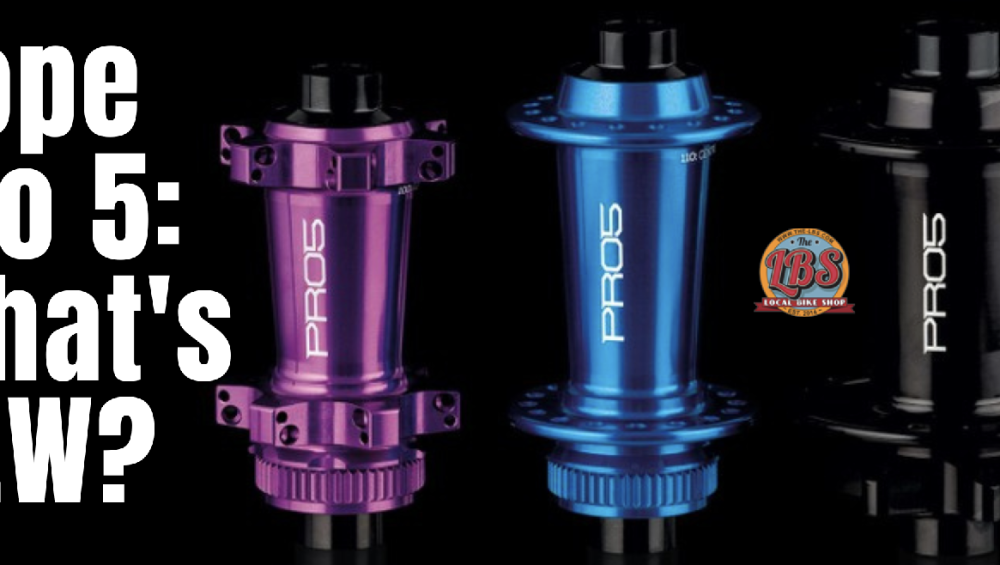
Hope hub buyer guide
Hope Pro 5 Hub Review: Specs, Pro 4 Comparison, and Who It Suits
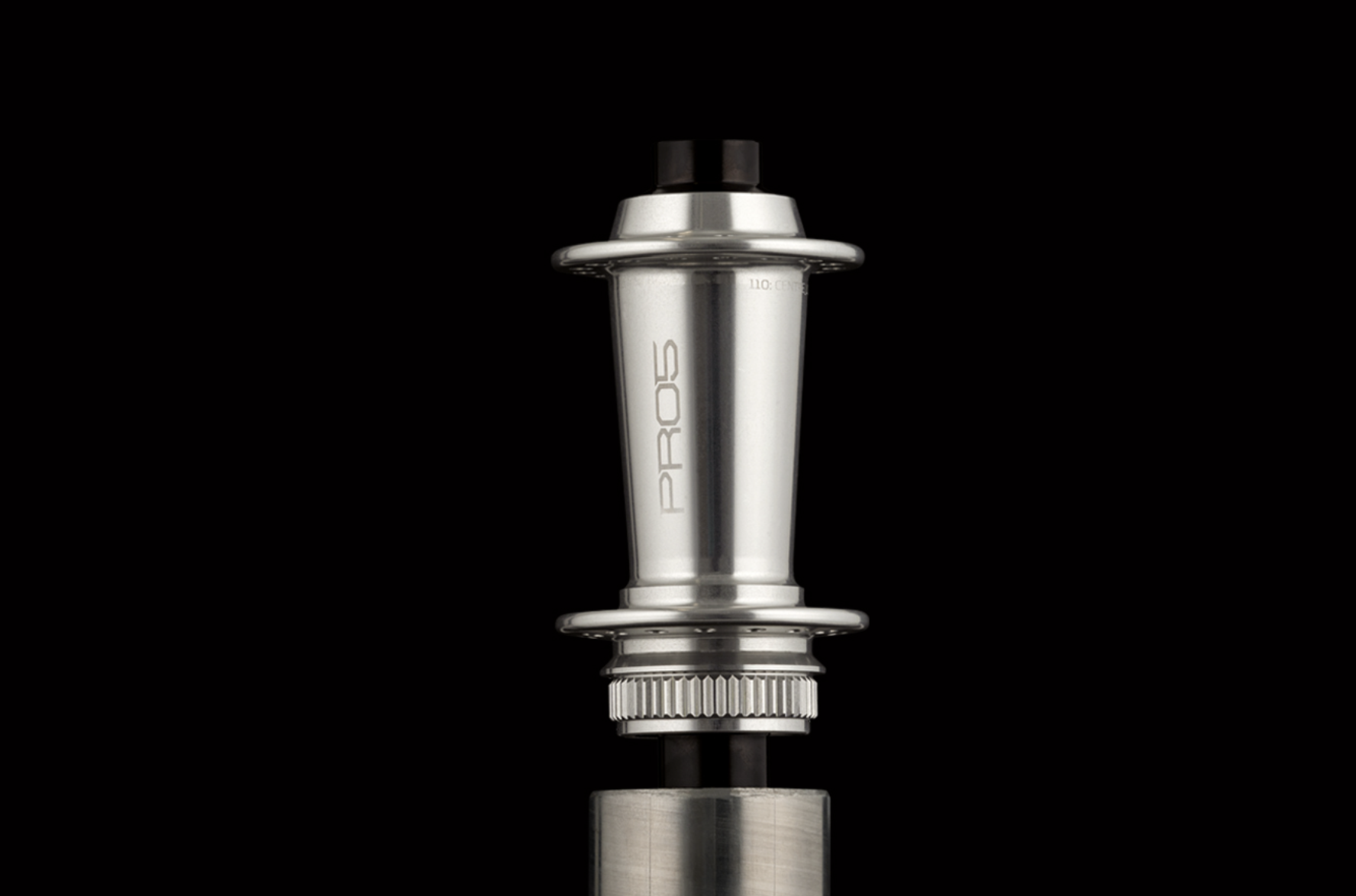
The Hope Pro 5 hub is the current Hope mountain bike hub platform, built to replace the Pro 4 with faster pickup, lower drag, wider compatibility, and the same serviceable Hope approach. The short version: it makes most sense if you are building a new wheel, replacing an older hub, or want a hub that can be serviced and adapted instead of treated as disposable.
Quick verdict: is the Hope Pro 5 hub worth it?
Yes, if you want a premium, serviceable mountain bike hub with fast enough engagement, wide axle/freehub support, easy spares availability, and Hope’s familiar color options. It is not the cheapest rear hub, and it is not the only high-engagement option, but it is a sensible choice for riders who care about long-term parts support and wheel-build flexibility.
Choose Pro 5 if
You are building a wheel around modern Boost, Super Boost, XD, MicroSpline, HG, 6-bolt, or Centrelock options and want a hub that can be serviced later.
Think twice if
You only need the lowest-cost hub, you are not sure about axle/freehub standards, or you already have a healthy Pro 4 wheel that does not need rebuilding.
What changed from Hope Pro 4 to Pro 5?
Hope did not make the Pro 5 as a cosmetic refresh. The main changes are in the freehub drive, sealing, hub shell, axle layout, and compatibility. Hope’s launch notes describe the Pro 5 as moving from 44 to 108 points of engagement, using an offset six-pawl freehub design, improved pawls and springs, a zero-drag labyrinth seal, a stiffer hub body, and a new axle design for bigger bearings and modern freehub standards.
On the trail, the most noticeable change for many riders will be faster pickup. Pinkbike’s first-look coverage framed the Pro 4 to Pro 5 change as moving from an 8.2-degree engagement angle to about 3.3 degrees. That matters most in slow technical climbs, ratcheting moves, and moments where you need drive to pick up quickly after a pause.
Hope Pro 5 specs that matter
| Area | Hope Pro 5 detail | Why it matters |
|---|---|---|
| Engagement | 108 points on standard Pro 5 rear hubs | Quicker pickup than Pro 4 without chasing extreme engagement numbers |
| Pawl layout | Offset six-pawl design | Balances pickup speed, load handling, drag, and durability |
| Rotor fitting | 6-bolt and Centrelock options | Match the hub to your existing or planned brake rotor standard |
| Freehub bodies | HG, XD/XDR, MicroSpline and other modern options depending on model | Lets the hub work with common Shimano and SRAM drivetrains |
| Spoke drillings | Common options include 24, 28, 32 and 36 hole versions | Choose based on rim, rider weight, wheel strength, and build purpose |
| Serviceability | Replaceable pawls, springs, seals, axles, spacers, freehub parts, and tools | Keeps the hub repairable instead of disposable |
Hope Pro 5 vs Pro 4
| Question | Hope Pro 4 | Hope Pro 5 |
|---|---|---|
| Is it still good? | Yes, especially if already built into a healthy wheel | Yes, and it is the current platform to choose for a new build |
| Engagement feel | Slower pickup at 44 points | Faster pickup at 108 points on standard rear hubs |
| Service route | Strong support history, but older platform | Current spares, tools, axle parts, and freehub bodies are easier to plan around |
| Best use | Servicing an existing wheel, matching an older build, used-wheel value | New wheel builds, custom wheels, Boost/Super Boost setups, modern drivetrains |
| Upgrade logic | Keep it if it works and fits your bike | Choose it when rebuilding, changing standards, or buying new hubs |
The honest answer is that you do not need to rip out a good Pro 4 hub just because Pro 5 exists. If your Pro 4 wheel is healthy, fits your frame, and has the right freehub body, servicing it may be smarter. If you are buying new, changing axle standards, changing drivetrain, or building a stronger wheel, the Pro 5 is the better place to start.
Fitment checklist before buying a Hope Pro 5 hub
- Front or rear: front hub spacing and rear hub spacing are separate decisions.
- Axle standard: check QR, 12mm, 15mm, 20mm, Boost, Super Boost, and your exact frame/fork spacing.
- Rotor mount: choose 6-bolt or Centrelock before matching rotors.
- Freehub body: match Shimano HG, MicroSpline, SRAM XD, XDR, or the correct road/gravel option.
- Spoke count: match the hub drilling to the rim and wheel-build plan.
- Use case: trail, enduro, e-bike, singlespeed/trials, and custom wheel builds can need different versions.
If you are not sure, do not guess from the product name alone. A Hope Pro 5 rear hub can be the right family and still be wrong for your bike if the axle, rotor mount, freehub body, or spoke drilling is wrong.
Where the Hope Pro 5 hub makes the most sense
The Pro 5 is strongest as a wheel-build hub. It pairs well with a custom rim choice because you can decide the spoke count, axle standard, rotor interface, color, and freehub body at the same time. That is why it fits naturally into custom mountain bike wheel builds, especially when you want a wheel that can be serviced later with normal Hope spares.
For a straightforward shopping path, start with the Hope Pro 5 hubs category. If you already know the build, examples include the Hope Pro 5 148 x 12mm rear hub and the Hope Pro 5 100mm 6-bolt front hub. For a full wheel-build route, see the custom Hope Pro 5 wheelset option.
Service, spares, and long-term ownership
The service story is a major reason riders keep choosing Hope hubs. Pro 5 parts are not mysterious: pawls, springs, spacers, axles, seals, tools, and conversion pieces are available separately. That matters when a hub has been ridden through wet weather, pressure washing, winter road salt, or a long season of bike-park and trail use.
Small parts like the Hope Pro 5 pawl set and Hope Pro 5 pawl spring set are exactly why a serviceable hub can be a better long-term buy than a cheaper hub with poor parts support. You still need the correct tools and mechanical care, but the hub is designed to be maintained.
What riders usually ask about Pro 5
Rider discussions around Pro 5 usually focus on three things: whether 108 points of engagement is enough, whether high engagement adds drag or maintenance, and whether Hope is a better choice than a DT Swiss-style ratchet hub. The practical answer is that Pro 5 is a balanced hub, not an engagement-number contest. It gives much faster pickup than Pro 4, but its bigger appeal is the mix of pickup, serviceability, compatibility, and spares.
Who should skip the Hope Pro 5?
- Skip it if your only priority is the cheapest possible replacement hub.
- Skip it if your current Pro 4 wheel is working perfectly and you do not need a new wheel build.
- Pause before buying if you do not know your axle spacing, freehub standard, rotor mount, and spoke count.
- Consider another hub if you want the quietest possible hub or a very specific ratchet-system feel.
Final take
The Hope Pro 5 hub is worth buying when the whole wheel plan makes sense. It is faster-engaging than Pro 4, more current for modern drivetrains and axle standards, and backed by a strong spares ecosystem. The smart move is not simply “buy Pro 5 because it is newer.” The smart move is to match the exact Pro 5 version to your frame, fork, drivetrain, rotor mount, rim, and riding style.
For most riders building a new mountain bike wheel, the Pro 5 is the Hope hub to choose now. For riders already on a healthy Pro 4, the better decision may be service first, upgrade later.
Hope Pro 5 FAQ
Is the Hope Pro 5 better than the Pro 4?
For a new build, yes. Pro 5 has faster engagement, updated sealing, a newer axle/freehub layout, and broader modern compatibility. A healthy Pro 4 is still worth servicing if it already fits your bike.
How many engagement points does the Hope Pro 5 have?
Standard Hope Pro 5 rear hubs use 108 points of engagement. Hope also makes e-bike and trials/singlespeed variants where the engagement and durability priorities can differ by model.
Can I change a Hope Pro 5 freehub body?
Yes, but you need the correct freehub body and spacer/axle parts for your hub version and drivetrain. Check the exact hub model before ordering HG, XD/XDR, MicroSpline, or other options.
Is Hope Pro 5 good for custom wheels?
Yes. Pro 5 is a strong custom wheel hub because it comes in useful axle, drilling, rotor, color, and freehub combinations, and it has a good service/spares path.
Should I buy 6-bolt or Centrelock?
Buy the rotor mount that matches your brake rotor plan. 6-bolt is common on mountain bikes and easy to service. Centrelock can be cleaner and faster to install, but it needs Centrelock rotors or compatible adapters.
Technical notes checked against Hope’s Pro 5 launch information, current Hope hub documentation, and independent Pro 5 first-look/review coverage. Always confirm the exact live product option before ordering, because axle, drilling, rotor, and freehub standards change the fit.