Hope hub review
Hope Pro 4 Hub Review: Still Worth It, Service Notes, and Pro 5 Comparison
The Hope Pro 4 hub is still worth understanding because a lot of riders already own Pro 4 wheels, still search for Pro 4 spares, or find used Pro 4 wheelsets when building a mountain bike on a budget. It is not the current Hope hub platform anymore, but it remains a serviceable, durable hub if the axle, freehub, bearings, and spoke drilling match your bike.
Quick verdict: should you still buy or keep a Hope Pro 4 hub?
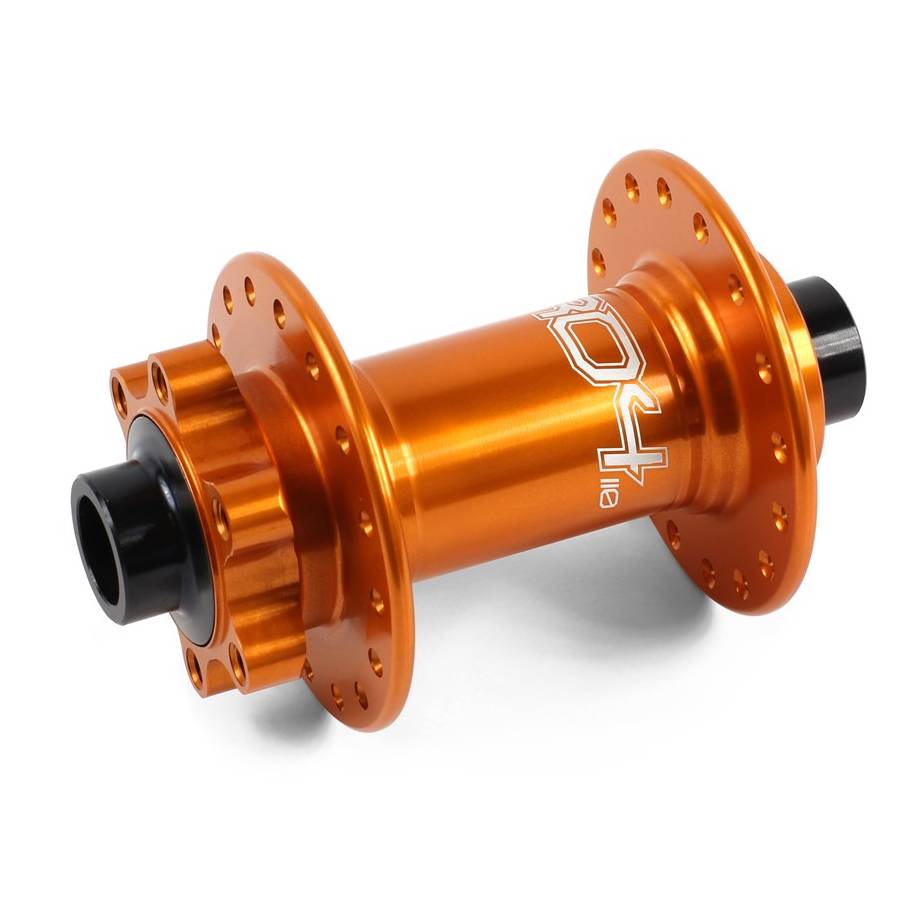
Keep a Hope Pro 4 hub if it is already built into a good wheel, the bearings are healthy, the freehub is right for your drivetrain, and spares are available for your setup. For a brand-new wheel build, Pro 5 is usually the better starting point because it is the current platform with faster pickup and broader modern compatibility.
Good Pro 4 use case
Servicing an existing wheel, matching an older frame, replacing bearings, or keeping a wheelset alive when the hub shell and freehub are still sound.
Better Pro 5 use case
New custom wheel builds, modern Boost/Super Boost setups, fresh drivetrain standards, or riders who want the current Hope hub family.
What the Hope Pro 4 hub was good at
The Pro 4 became popular because it was simple, strong, available in many fitments, and easy to service compared with many disposable hub options. The hub shell was machined from aluminum, the bearings were cartridge-style, the freehub system was familiar to mechanics, and the axle/end-cap system made it possible to adapt many wheels as standards changed.
That is why Pro 4 still appears in searches for hub reviews, rear hub bearings, freehub bodies, conversion kits, and older wheel builds. The important question is no longer whether Pro 4 was a good hub. It was. The important question is whether a specific Pro 4 hub is still the right hub for your bike today.
Hope Pro 4 vs Pro 5
| Question | Hope Pro 4 | Hope Pro 5 |
|---|---|---|
| Current platform? | Older platform, still serviceable | Current Hope hub platform |
| Engagement | 44 points of engagement | 108 points on standard rear hubs |
| Best reason to choose it | Keep, service, or match an existing Pro 4 wheel | Build a new wheel around current standards |
| Service route | Bearings, spacers, conversion parts, and axle parts are still useful where available | Broader current spares and current freehub support |
| Buyer risk | Used hubs need careful fitment and wear checks | Still needs exact axle/freehub/rotor/spoke matching |
The biggest practical upgrade from Pro 4 to Pro 5 is not just a number on paper. Pro 5 gives faster pickup, a newer sealing and freehub layout, and a more current buying path. But that does not make every Pro 4 wheel obsolete. If your Pro 4 hub is smooth, quiet in the right way, and serviceable, it can still be worth keeping.
Fitment checklist before buying a used or replacement Pro 4 hub
| Check | Why it matters |
|---|---|
| Front or rear hub | Front and rear hubs use different axle, shell, and service parts |
| Axle spacing | QR, 12mm, 15mm, 20mm, Boost, and older widths are not interchangeable without the right conversion parts |
| Rotor mount | Most Pro 4 MTB hubs are 6-bolt, but check before assuming rotor compatibility |
| Freehub body | HG, XD, MicroSpline, and other bodies must match your cassette |
| Spoke count | 24, 28, 32, and 36 hole hubs must match the rim drilling |
| Bearing condition | Rough bearings can be serviceable, but factor parts and labor into the real cost |
Service and spares: where Pro 4 still makes sense
A serviceable hub is only useful if parts can still be found. For many Pro 4 owners, the smartest purchase is not a whole replacement hub. It is the correct bearing kit, axle, spacer, or conversion kit. Examples include the Pro 4 rear hub bearing kit, the Pro 4 rear hub bearing kit for XD, and Pro 4 spacer options such as the Pro 4 X12 MicroSpline drive-side spacer.
If the hub shell is good and the wheel is otherwise worth keeping, replacing wear parts can be a better decision than buying a full new wheel. If the hub shell, axle standard, freehub standard, and rim plan no longer match your bike, that is when moving to Pro 5 or a new custom wheel build starts to make more sense.
When to move from Pro 4 to Pro 5
- You are building a new wheel from scratch.
- You need a cleaner route into modern Boost, Super Boost, MicroSpline, XD, or Centrelock options.
- You want faster pickup than Pro 4’s 44-point engagement.
- Your current Pro 4 needs enough parts that the repair no longer makes financial sense.
- You want a hub family with the strongest current parts support.
For new builds, start with the Hope Pro 5 hubs category. If you want the hub decision handled as part of the whole wheel, use the custom mountain bike wheel builder guide or look at a custom Hope Pro 5 wheelset.
When to keep or service Pro 4
- Your current wheel is straight, strong, and built with the correct spoke count.
- The hub only needs bearings, spacers, end caps, or a freehub service.
- You are matching an older frame or fork standard.
- You already like the sound and feel of the hub.
- You can get the exact Pro 4 spare part, not a near-match.
For older stock examples, the live product links on this article include Pro 4 front and rear hub listings such as Pro 4 rear 28H 142mm 12mm, Pro 4 front 24H, and Pro 4 rear 24H 135mm bolt-in. Check stock and fitment carefully before assuming an older Pro 4 listing suits your frame.
Common Pro 4 buyer mistakes
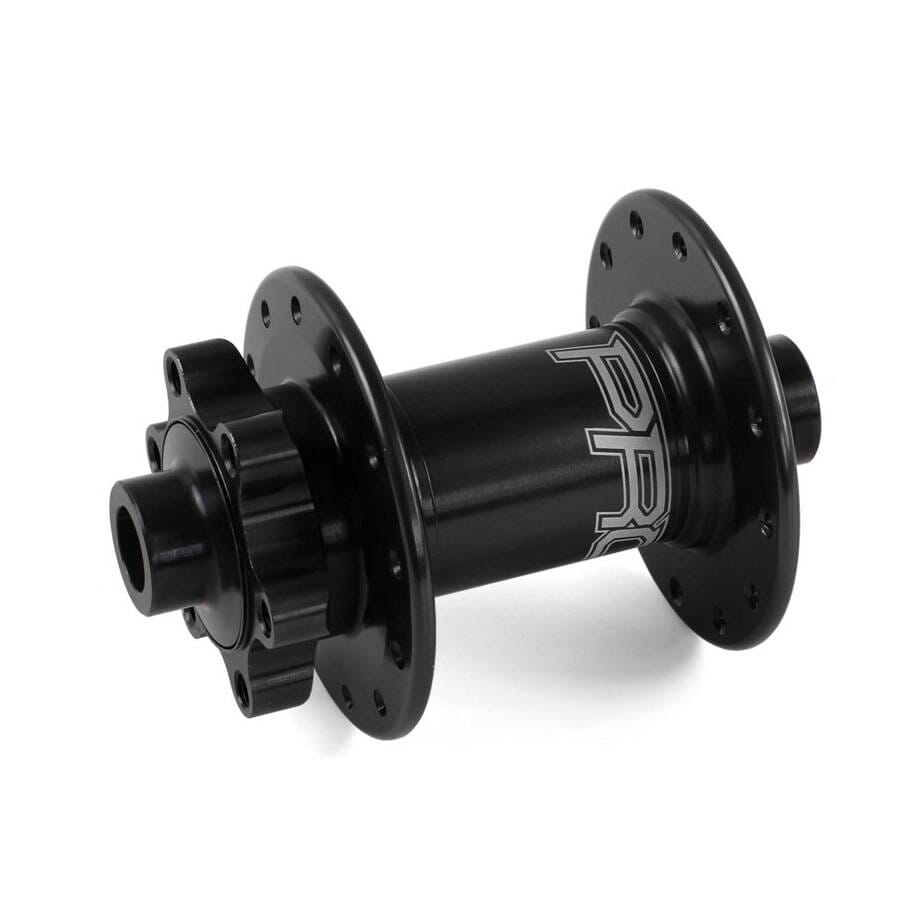
- Buying the right color but the wrong axle size.
- Matching the hub to the frame but forgetting the cassette/freehub body.
- Buying a 24H hub for a 32H rim, or the other way around.
- Assuming every Pro 4 conversion part fits every Pro 4 hub.
- Comparing a used Pro 4 price against a new Pro 5 price without adding bearing and service costs.
Final take
The Hope Pro 4 hub is still a strong, serviceable hub when it is already part of a good wheel or when you need to keep an older bike running. It is less attractive as a fresh-buy decision now that Pro 5 exists. For a new wheel, Pro 5 is usually the cleaner route. For an existing Pro 4 wheel, a careful service or correct spare part can still be the smarter move.
Hope Pro 4 FAQ
Is the Hope Pro 4 hub still good?
Yes, if the hub is in good condition and fits your bike. It is older than Pro 5, but still worth servicing when the hub shell, axle, bearings, and freehub body are right.
Is Hope Pro 5 better than Pro 4?
For a new build, usually yes. Pro 5 is the current platform, has faster engagement, and has a stronger current buying path. Pro 4 can still be a good keep-and-service hub.
Can I convert a Pro 4 hub to another axle standard?
Sometimes, but only with the correct conversion parts for the exact hub. Do not assume a spacer or axle from one Pro 4 version fits another.
What should I check before buying a used Pro 4 hub?
Check axle spacing, rotor mount, freehub body, spoke count, bearing smoothness, shell condition, and whether the needed spares are available.
Should I service Pro 4 or replace it with Pro 5?
Service Pro 4 if the wheel is good and the repair is simple. Replace or move to Pro 5 if you are rebuilding the wheel, changing standards, or the repair cost is getting close to a better new-build path.
Technical notes checked against Hope Pro 4 service material, current The LBS product/spares availability, and Pro 5 launch information. Always confirm the exact hub version before ordering parts, because axle, freehub, rotor, and spoke standards decide fit.